
Senior Research Scientist
Juan Carlos Torrado Vidal
- Department Applied research in information and communication technology
- Phone number +47 22 85 25 62
- E-mail jctorrado@nr.stage.dekodes.no
Projects
- Digital inclusion
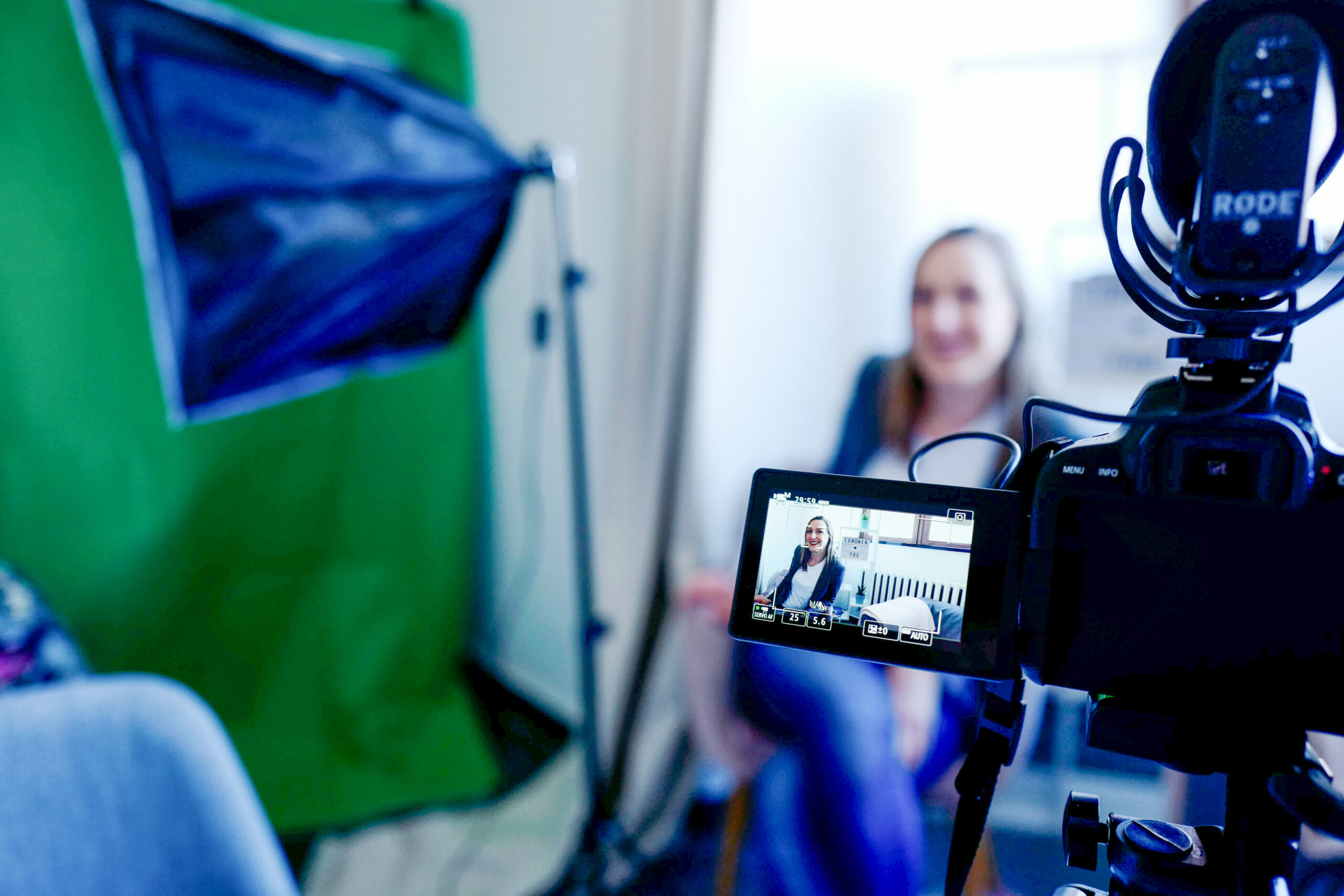
Digitally accessible health videos
- Digital inclusion
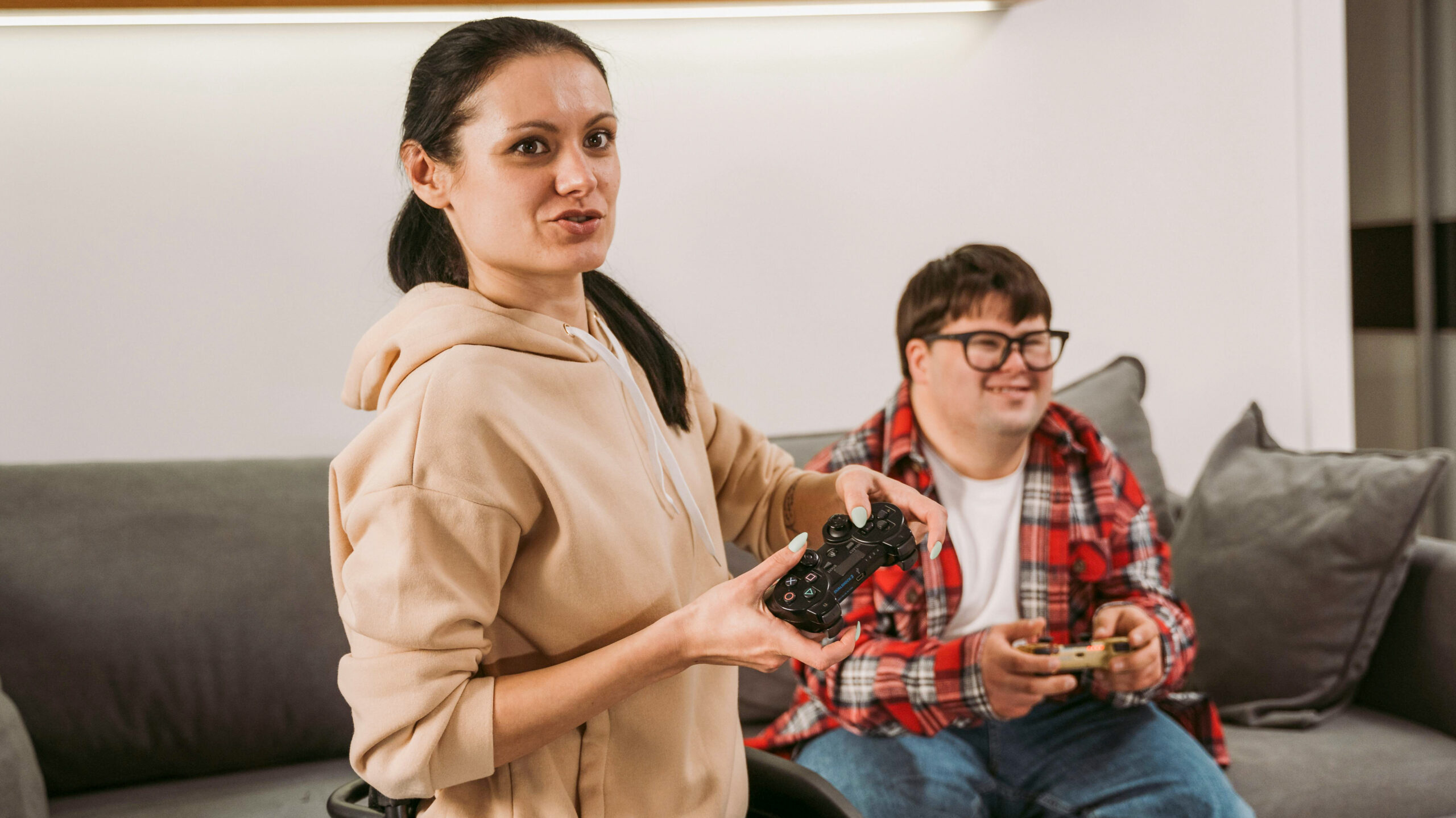
Gaming without barriers (Curb Cut)
- Digital inclusion
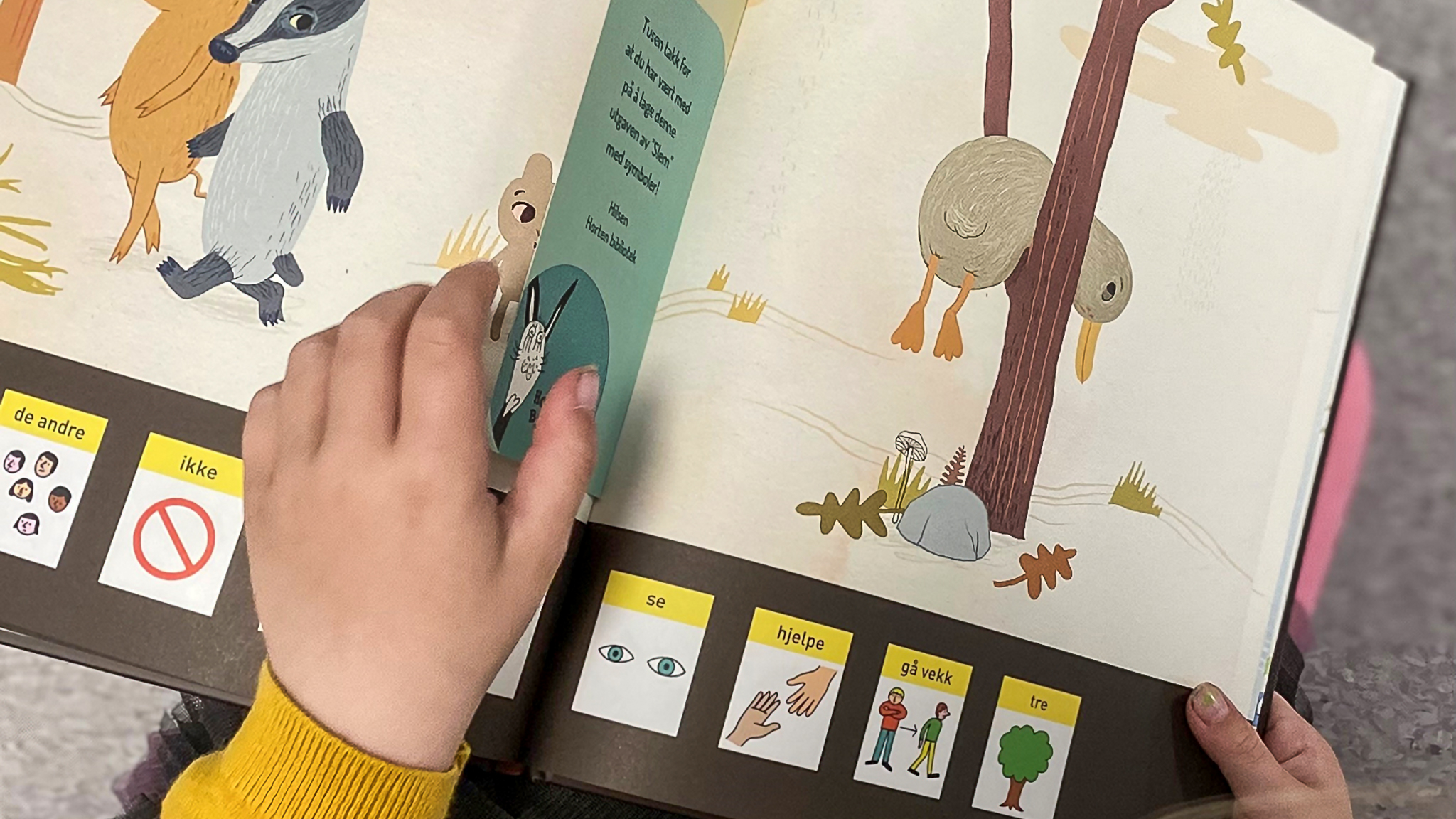
A symbol library for everyone (DEMASK)
Publications
- 40 publications found
Torrado, Juan Carlos. (2026).
SCERTS som forskningsverktøy i ROSA-prosjektet. Frydenhaug skole, Norsk Regnesentral og Universitetet i Sørøst-Norge
Vis sammendrag
Presentasjon av hvordan SCERTS-rammeverket ble tilpasset og anvendt som forskningsverktøy i ROSA-prosjektet. Innlegget beskriver ulike roller den sosiale roboten Robbie kan ha i læringsmiljøet, blant annet som samhandlingspartner, modelleringsverktøy, læringsverktøy og samtaletema, samt hvordan SCERTS ble brukt til å analysere samhandling og læringsstøtte
Reithe, Haakon; Patrascu, Monica; Torrado, Juan Carlos; Førsund, Elise; Husebø, Bettina Elisabeth Franziska; Kverneng, Simon Ulvenes; Sheard, Erika; Tzoulis, Charalampos og Marty, Brice Sylvain Daniel. (2026).
Wavelet-Based Tremor Quantification From Wrist-Worn Sensor Data in Home-Dwelling People With Parkinson’s Disease.
Vis sammendrag
Objective: Tremor symptoms in Parkinson’s disease (PD) are challenging to assess due to low resolution and subjectivity from standard clinical scales. To address this, wearable devices have been used, but algorithms have been relying on controlled or limited activity conditions. Our objective is to create a context-independent metric quantifying tremor in free-living conditions to bridge the gap between biomedical engineering and the PD field. Methods and Procedures: We designed an algorithm which computes a tremor index (TI) from accelerometer data, collected via the Empatica E4 worn on the wrist by home dwelling people with PD. For validation, we use a within-participant design, comparing the TIs of the most and least tremor-affected hand. We included seven participants with unilateral tremor, monitored for two weeks each. The algorithm is able to compute TIs for a set of frequencies identified in literature as associated with different tremor types (3–12 Hz), over adjustable sampling time windows. Results: We show that the most tremor-affected hand yields a higher TI than the other hand for frequency sets that are individual to each person, in particular around 5-6 Hz where rest tremor typically occurs. We find that we can disambiguate tremor across 3-12 Hz from general movement and resting states. The number of frequencies with inter-hand separation correlate with the MDS-UPDRS part III tremor items. Conclusion: The designed tremor quantification algorithm can quantify tremor symptoms over time for people with PD and can be used to identify the individualized frequency ranges where these movements happen, in free-living conditions.
Guldberg, Karen; Eide, Tom; Eide, Hilde; Flatås, Bjørn Aksel; Jensen, Renate; Larsen, Kenneth; Torrado-Vidal, Juan-Carlos; Schulz, Trenton; Thygesen, Hilde; Søfting, Bente og Fuglerud, Kristin Skeide. (2026).
Methodological principles to guide innovation in robot-mediated education for autistic pupils.
Heimstad-Bergseng, Camilla; Torrado, Juan Carlos og Salinas, Veronica. (2026).
Demokratisk tilgang til ASK-symboler i Norge: Sluttrapport.
Vis sammendrag
Noen mennesker kan ikke kommunisere ved hjelp av talespråk, og vil ha behov for alternativ eller supplerende kommunikasjon (ASK). En av de vanligste formene for ASK er grafiske symboler som står for et ord eller begrep, og brukes av både barn og voksne som deres språklige uttrykksform.
Det finnes hverken en gratis symbolbank eller en offisiell standard for grafiske symboler i Norge. Symbolbankene som brukes per i dag krever betaling av lisenser og programmer. Det finnes land som har en åpen, tilgjengelig symbolbank, som Spania (ARASAAC) og Sverige (Bildstöd). Det er lite kunnskap om hva som må løses for å integrere eller utvikle en tilsvarende løsning i Norge.
Prosjektet «Demokratisk tilgang til ASK-symboler i Norge» har undersøkt hvordan tilgang til symbolbank oppleves, og om det er behov for en gratis, åpen og universell symbolbank tilgjengelig for alle i Norge.
Spørreskjema på nett og to samskapingsverksted med et strategisk utvalg bestående av fagpersoner, ASK-språklige og deres nærpersoner har vært benyttet som metode. På det første samskapingsverkstedet fikk informantene i utvalget beskrive sine erfaringer med tilgang til symbolspråk. Videre ble også et spørreskjema utarbeidet i samarbeid med utvalget. Spørreskjemaet ble sendt ut via nettverk og digitale portaler til hele landet.
Forskerne har, sammen med deltakerne i det andre samskapingsverkstedet, systematisert, analysert og dokumentert kunnskapen og erfaringene fra spørreskjemaet. Resultatene fra både spørreskjema og samskapingsverkstedene, viser at tilgang til grafiske symboler oppleves tungvindt og lite tilgjengelig. Det etterspørres en åpen og gratis tilgang for å endre tilgjengelighet, kunnskap om og bruk av et grafisk symbolspråk i Norge. Denne rapporten dokumenterer dette arbeidet. Avslutningsvis er det foreslått et videre arbeid for å nå ambisjonen om en åpen, nasjonal symbolbank i Norge med bakgrunn i studiens funn.
Torrado, Juan Carlos; Fuglerud, Kristin Skeide og Haugan, Anne-Bjørg. (2025).
En hjertevarm reise: fra forskning til konkrete løsninger.
Torrado, Juan Carlos. (2025).
Presentasjon av ROSa-studien i RNE-programmet "La Cresta de la Onda" (popularvitenskapelig program i den spanske offentlige radio-broadcast).
Torrado, Juan Carlos. (2025).
Funn og resultater fra spørreundersøkelser til reiselivet og besøkende om inkludering og tilrettelegging i reiselivet. Visit Bø
Schulz, Trenton; Torrado, Juan Carlos; Badescu, Claudia Andrea og Fuglerud, Kristin Skeide. (2025).
A Robot Repertoire for Assisting Teaching Children with Autism. Eindhoven University of Technology
Vis sammendrag
We present a set of components for a robot-based framework (or repertoire) that has been used for assisting teachers in their work with children with autism and how it has been used for two pilots and its main study. We also document challenges that we have encountered while deploying the repertoire and possible future directions.
Reithe, Haakon; Marty, Brice Sylvain Daniel; Vidal, Juan Carlos Torrado; Førsund, Elise; Husebø, Bettina Elisabeth Franziska; Erdal, Ane; Kverneng, Simon Ulvenes; Sheard, Erika; Tzoulis, Charalampos og Patrascu, Monica. (2025).
Cross-evaluation of wearable data for use in Parkinson’s disease research: a free-living observational study on Empatica E4, Fitbit Sense, and Oura.
Vis sammendrag
Background: Established assessment scales used for Parkinson’s disease (PD) have several limitations in tracking symptom progression and fluctuation. Both research and commercial-grade wearables show potential in improving these assessments. However, it is not known whether pervasive and affordable devices can deliver reliable data, suitable for designing open-source unobtrusive around-the-clock assessments. Our aim is to investigate the usefulness of the research-grade wristband Empatica E4, commercial-grade smartwatch Fitbit Sense, and the Oura ring, for PD research.
Method: The study included participants with PD (N = 15) and neurologically healthy controls (N = 16). Data were collected using established assessment scales (Movement Disorders Society Unified Parkinson’s Disease Rating Scale, Montreal Cognitive Assessment, REM Sleep Behavior Disorder Screening Questionnaire, Hoehn and Yahr Stage), self-reported diary (activities, symptoms, sleep, medication times), and 2-week digital data from the three devices collected simultaneously. The analyses comprised three steps: preparation (device characteristics assessment, data extraction and preprocessing), processing (data structuring and visualization, cross-correlation analysis, diary comparison, uptime calculation), and evaluation (usability, availability, statistical analyses).
Results: We found large variation in data characteristics and unsatisfactory cross-correlation. Due to output incongruences, only heart rate and movement could be assessed across devices. Empatica E4 and Fitbit Sense outperformed Oura in reflecting self-reported activities. Results show a weak output correlation and significant differences. The uptime was good, but Oura did not record heart rate and movement concomitantly. We also found variation in terms of access to raw data, sampling rate and level of device-native processing, ease of use, retrieval of data, and design. We graded the system usability of Fitbit Sense as good, Empatica E4 as poor, with Oura in the middle.
Conclusions: In this study we identified a set of characteristics necessary for PD research: ease of handling, cleaning, data retrieval, access to raw data, score calculation transparency, long battery life, sufficient storage, higher sampling frequencies, software and hardware reliability, transparency. The three analyzed devices are not interchangeable and, based on data features, none were deemed optimal for PD research, but they all have the potential to provide suitable specifications in future iterations.
Torrado, Juan Carlos; Schulz, Trenton; Guldberg, Karen; Søfting, Bente; Eide, Hilde; Thygesen, Hilde; Eide, Tom og Fuglerud, Kristin Skeide. (2025).
Lessons Learned from Two Pilots Using Social Robots with Children with Autism in a Special Education School in Norway.
Vis sammendrag
Children with autism present some difficulties regarding social communication and emotional regulation. These difficulties are addressed by special education programs in several ways – for instance, peer-to-peer communication using pictograms or tablet-based games to rehearse social situations and learn about facial expressions. Social robots have shown potential as vehicles for these activities. They can be perceived as “safe” interaction partners, as well as entail a special motivation for children who are fascinated by technology. In this paper, we describe the experience of two pilot studies study using a NAO robot for social communication at a special education school in Norway involving five and fifteen (N1=5, and N2=15) children with autism, respectively. Each child used the robot for1-2 sessions with the help of their main teacher and an additional teacher operating the robot. The teachers could select from a repertoire of activities that utilized the robot in various ways. The sessions were videotaped and analyzed by a multidisciplinary team composed of pedagogists, teachers, and researchers on ICTs, ethics, health, pedagogy and technology. The videos show that some children initiated and reciprocated communication with the robot in different contexts and with various degrees of support from the teachers. This paper describes design recommendations towards a longer study and pedagogical and ethical reflections on particular experiences observed in the pilot study.
Eide, Hilde; Guldberg, Karen; Eide, Tom; Renate, Jensen; Larsen, Kenneth; Schulz, Trenton; Søfting, Bente; Thygesen, Hilde; Torrado, Juan Carlos og Fuglerud, Kristin Skeide. (2025).
Communicating with «Robbie» - A case study: (How) Does Robbie provide Transactional Support in Learning Situations? Oslo Communication in Healthcare Education and Research grou
NVA
Vitenskapelig foredrag
Vis sammendrag
Background: The prevalence of autistic children is increasing. In the Norwegian project “Robot-supported language development for children with Autism Spectrum Disorder (ROSA) the robot NAO (called “Robbie” by the pupils) is used to stimulate social interaction and language development. In October-24 pilot 2 in the study will be performed. 8-12 autistic pupils in different language development stages will participate. For each child four robot-child-interactions will be video-recorded. Two teachers will participate in the learning interactions, one being the child’s primary teacher, the other serving as a learning assistant, steering the robot responses with a remote control and providing learning tasks and learning games. The aim of the pilot is to test the feasibility of the robot interactions, establish interrater-agreement of the SCERTS-coding, and determine meaningful outcome measures for a larger study. The SCERTS-method will be used to code the videos SCERTS provides a structured framework and systematic method for selecting educational objectives that are meaningful to the child, family and setting. The original SCERTS Assessment Protocol (SAP) is a curriculum-based assessment tool for gauging individual children’s capacity to use certain skills and to engage in tasks across meaningful, everyday contexts. The emphasis is on understanding the functional role of an individual child’s behaviors and communicative acts. Assessment of a child’s level of social and communicative competence is based on detailed behavioral criteria derived from the SAP. The method focuses on capacity for joint attention and capacity for symbol use. The early language development stage the child has, is identified as a) social partner, b) language partner or c) conversational partner. The different stages require different responses to support learning (transactional support) as well as specific and individual goals. On beforehand the teachers have evaluated the pupils with SCERTS as a baseline. Analyses: The plan is to describe the children´s scores on specifically chosen SCERTS-dimensions as individual cases (social communication; joint attention and symbol use and emotional regulation; mutual regulation and self-regulation). Further the teachers and the robot will be scored on transactional support.
Questions to discuss at OCHER:
Do these measures reveal meaningful outcomes? Discuss possible issues we ran into establishing interrater-agreement.
Førsund, Elise; Torrado, Juan Carlos; Reithe, Haakon; Husebø, Bettina Elisabeth Franziska; Nedreskår, Kjersti; Patrascu, Monica og Fæø, Stein Erik. (2025).
The Function of Friction–a Narrative Exploration of Older Adults Relocating to a Community-Based Living Environment.
Vis sammendrag
Growing numbers of older adults relocate to living environments supporting aging in place. However, knowledge about this relocation process is limited. This study aims to investigate the experiences of older adults moving to a community-based living environment in Norway. We used a narrative approach based on unstructured interviews of 13 residents (10 female, 3 male, ages 62–84). The overarching narrative consists of anticipation of future uncertainties, attraction to conceptual predictability, challenges in the new environment, exploration of alternative strategies, and transformation through challenge resolution. Initial friction related to the physical and social environment caused the participants to take an active role in creating the community, resulting in increased ownership and appreciation. This was largely achieved by collaboration and relying on each other and the community. These findings highlight important social processes taking place during the development of a community. Actively and collectively shaping the environment can foster place-attachment and a culture of interdependence, thus enhancing resilience to repeated relocations and promoting aging in place.
Torrado, Juan Carlos; Fuglerud, Kristin Skeide; Haugan, Anne-Bjørg; Dale, Marianne; Wiborg, Berit Lilly og Andersen, Rita. (2025).
Bærekraftig og inkluderende reiseliv - sluttrapport.
Førsund, Elise; Vidal, Juan Carlos Torrado; Fæø, Stein Erik; Reithe, Haakon; Patrascu, Monica og Husebø, Bettina Elisabeth Franziska. (2024).
Active ageing in a community-based living environment.
Iversen, Kasper; Magnussen, Knut Ole Kvilhaug; Cerutti, Paolo og Vidal, Juan Carlos Torrado. (2024).
Guttastemning in a Box - Fostering Emotional Connections Beyond the Screen.
Vis sammendrag
This study explores the Norwegian gendered term of guttastemning through the design and creation of a digital box (the “Guttastemning Box”) that captures moments of lively and cheerful atmosphere when a group of people is having a great time together. The paper recognizes the importance of capturing and reliving such moments, emphasizing the challenges posed by the digital era, such as fluctuations in emotions, digital overload, and the lack of emotional resonance in digital photos. We carried out a Research through Design (RtD) process to assess the effectiveness of the Guttastemning Box in capturing and preserving these moments while fostering emotional connections. We evaluated this artifact through a pilot study in a natural setting in addition to a pre- and post-questionnaire. The results shed light on the Guttastemning Box’s ability to capture and preserve guttastemning moments, as well as foster connections. The box has shown promising results, with high overall impressions, positive usability feedback, and intention to use among participants.
Fuglerud, Kristin Skeide; Leister, Wolfgang og Vidal, Juan Carlos Torrado. (2024).
Conference Compendium of the Seventh International Conference on Universal Design (UD2024), Shaping a Sustainable, Equitable and Resilient Future for All.
Vis sammendrag
Universal design, inclusive design, design for all, innovation for all, and accessibility are some of the concepts aimed at making products, environments, and services usable and accessible for diverse users, regardless of ability, age, or background. While these terms imply common goals, they each offer distinct approaches to creating inclusive solutions. This compendium comprises of 48 papers, abstracts, and posters presented at UD2024, the 7th International Conference on Universal Design, held from 20 to 22 November 2024 in Oslo, Norway. It can be seen as an addition to the conference proceedings. Although the UD conference series uses the term universal design, it welcomes researchers and practitioners from the other disciplines designing for diverse user groups in the hope that this will result in a wider spectrum of viewpoints and will help to unite these various approaches to advance the field. The contributions are grouped into six chapters, covering design approaches, theoretical perspectives and socio-economic benefits; children, learning environment, and education; universal design in the built environment; inclusive tourism and sustainable communities; digital inclusion, communication and organisation; as well as universal design of ICT and technical aspects.
Fuglerud, Kristin Skeide; Halbach, Till; Schulz, Trenton; Simon-Liedtke, Joschua Thomas og Torrado, Juan Carlos. (2024).
Forskning innen digital inkludering: Erfaringer og anbefalinger for bruk av metoder, verktøy og praktisk tilrettelegging — 2025-utgave: Håndtering av erkjentlighetsgaver, teksting og transkribering av multimedia, verktøy for dataanalyse, personvern og taushetserklæring.
NVA
Rapport
Fuglerud, Kristin Skeide; Leister, Wolfgang og Vidal, Juan Carlos Torrado. (2024).
Universal Design 2024: Shaping a Sustainable, Equitable and Resilient Future for All. Proceedings of the Seventh International Conference on Universal Design (UD2024), Oslo, Norway, 20-22 November 2024.
NVA
Vitenskapelig antologi/Konferanseserie
Vis sammendrag
This book presents the proceedings of UD2024, the 7th International Conference on Universal Design, held from 20 to 22 November 2024 in Oslo, Norway.
Vidal, Juan Carlos Torrado; Fuglerud, Kristin Skeide; Simon-Liedtke, Joschua Thomas; Haugan, Anne-Bjørg; Dale, Marianne; Wiborg, Berit Lilly og Andersen, Rita. (2024).
Se meg - hør meg.
Vis sammendrag
Interesseorganisasjoner som jobber med tilrettelegging for personer med funksjonsnedsettelser, får mange tilbakemeldinger om negative opplevelser med reiselivet. Det er dessuten gjort lite forskning på dette temaet, og det gjør at det er liten kunnskap om hva som kan gjøres for at disse opplevelsene blir bedre. I prosjektet «Se meg – hør meg» har vi derfor kartlagt disse opplevelsene hos personer med funksjonsnedsettelser. Vi har undersøkt holdninger hos ansatte i reiselivsnæringen når de møter gjester med funksjonsnedsettelser. Målet er å samle kunnskap om situasjonen i reiselivet og gjester med funksjonsnedsettelser, med tanke på å jobbe videre med et opplæringskurs for ansatte i reiselivsnæringen. Metoden var spørreskjema på nett. Vi opprettet et for hver målgruppe og testet det i flere runder – først med partnerne i prosjektet i digitale møter, så intern gjennomgang hos partnernes organisasjoner og bedriftsklynge, og til slutt en workshop med representanter fra interesseorganisasjoner og reiselivet. Alt materialet som er utviklet i forbindelse med gjennomføring av nettskjemaene og workshop, som invitasjon, program, workshopguide og selve skjemaene er lagt ved rapporten som vedlegg. Forskerne har systematisert, analysert og dokumentert kunnskapen og erfaringene fra prosjektet. Vi har dessuten foreslått videre arbeid. Denne rapporten dokumenterer dette arbeidet.
Førsund, Elise; Vidal, Juan Carlos Torrado; Fæø, Stein Erik; Reithe, Haakon; Patrascu, Monica og Husebø, Bettina Elisabeth Franziska. (2024).
Exploring active ageing in a community-based living environment: an ethnographic study in the Western Norway context.
Vis sammendrag
Background: Age-friendly environments intend to promote active ageing by facilitating social, mental, and physical participation. This could potentially delay the onset of chronic complex conditions, enabling people to live longer independently at home, and prevent loneliness. This study investigates a community-based living environment in Norway called Helgetun and aims to explore how it can facilitate active ageing. Method: We chose an ethnographic approach consisting of observation, informal conversations, and in-depth semi-structured interviews with 15 residents (11 female, 4 male, ages 62–84). We analysed the data using reflexive thematic analysis. Result: We developed three themes on facilitating active ageing in this living environment: maintaining self-identity, experiencing growth and development, and feeling a sense of belonging. These themes were related to physical activity levels, social engagement, and overall satisfaction with the living environment. Maintaining self-identity concerned getting a new role in life as well as access to meaningful activities. Experiencing growth and development involved being exposed to new activities, learning new skills, and experiencing mastery. Lastly, feeling a sense of belonging meant feeling safe and part of a group, as well as receiving social support and help. This feeling of social connectedness and safety was reflected in their experience with the COVID-19 pandemic, in which most felt relatively unaffected, suggesting that this way of living could increase reliance among this age group. Conclusion: Having a flexible structure, adapting to the core needs and individual resources of the residents, can facilitate active ageing in community-based living environments. Our findings contribute to the growing evidence that these environments increase social and physical engagement, whilst reducing social isolation and loneliness. These findings may be particularly relevant in a Norwegian context—where older adults are less dependent on family for care—and are meant as grounding points for policymakers to reflect upon designing future senior living.
Vidal, Juan Carlos Torrado; Haugan, Anne-Bjørg; Wiborg, Berit Lilly; Andersen, Rita og Fuglerud, Kristin Skeide. (2024).
Attitudes of Employees in Tourism Towards Guests with Disabilities in Norway: A Survey Study.
Vis sammendrag
Associations for people with disabilities in Norway receive much feedback about negative experiences with travel. Little research has been done on this topic, and thus there is little knowledge about what can be done to improve these experiences. In this study, we have mapped travel experiences of people with disabilities and attitudes from employees in the tourism industry with two digital surveys. The questions were created in a workshop by collaboration with researchers, user representatives from a national association for people with disabilities, and employees from the tourism industry. The results show that some of the employees’ attitudes that are perceived as discriminatory by guests with disabilities are paradoxically caused by fear of doing something wrong. There seemed also to be a need for more knowledge about invisible disabilities, and a company-level and practice-based strategy for implementation of universal design in the customer service.
Vidal, Juan Carlos Torrado. (2024).
Kvalitativ videoanalyse i ROSa. Norsk Regnesentral
NVA
Faglig foredrag
Vidal, Juan Carlos Torrado. (2024).
Robotstøttet læring for barn med autisme. Norsk Regnesentral
NVA
Faglig foredrag
Chinchay, Yussy; Vidal, Juan Carlos Torrado; Gomez, Javier og Montoro, Germán. (2023).
Towards more supportive ICT for children with autism spectrum disorders: lessons learned from COVID-19 pandemic.
Vis sammendrag
COVID-19 pandemic has disrupted daily routines, causing isolation and quarantine. Technology has emerged as a crucial tool for sustaining essential activities, but children with autism spectrum disorders have faced distinct challenges due to their intricate interaction with it. We employed an online survey to analyse the impact of technology use in online learning, remote assistance and daily life of children with autism along COVID-19, and we have identified benefits and challenges with assistive technology exposed by the pandemic. Findings are divided in (1) seven themes where COVID-19 impacted this population the most and their relationship with technology (remote communication, learning, emotional management, entertainment management, executive functions, activities of daily living, and physical activity and motor skills), and (2) a mapping of technological categories that define the working areas specifically aimed to cover the special needs of children with autism whenever face-to-face interactions are not possible (attention, authoring tools, calculation, e-learning, emotions, entertainment, experience of self, language and communication, memory, planning and time management, social networking, and social skills). These results help provide a more well-rounded knowledge of how to improve technology to make it accessible to autistic children, to handle and avoid services interruption in similar scenarios.
Vidal, Juan Carlos Torrado. (2023).
Use of SCERTS as assessment tool in the context of the ROSa project. VID Vitenskapelig Høgskole
NVA
Faglig foredrag
Shurid, Safayet Anowar; Moezzi, Mahta; Emon, Md Mohaiminul Islam; Das, Pritam og Torrado, Juan Carlos. (2023).
HIØF Easy Navigator: An Augmented Reality App Which Guides a User to Reach Their Destination.
Vis sammendrag
New students often have trouble finding classrooms, laboratories, libraries, or other places inside a new study place. At Østfold University Col lege (HIØF), they provide paper maps to the students to find locations inside the university which are difficult to understand and hard to use. To solve this problem, we have developed an app named “HIØF Easy Navigator”. The application guides new students to find the inside location here at HIØF, Norway. We also conducted a survey of eight students to check the user experience and opinions of paper maps and the HIØF Easy Navigator. Our findings demonstrate that the app is easier to use than paper maps to locate locations inside the university