Seniorforsker
Joschua Thomas Simon-Liedtke
- Avdeling Anvendt IKT-forskning
- Telefonnummer +47 22 85 25 53
- E-post joschua@nr.stage.dekodes.no
Prosjekter
- Digital inkludering
- Universell utforming (UU)
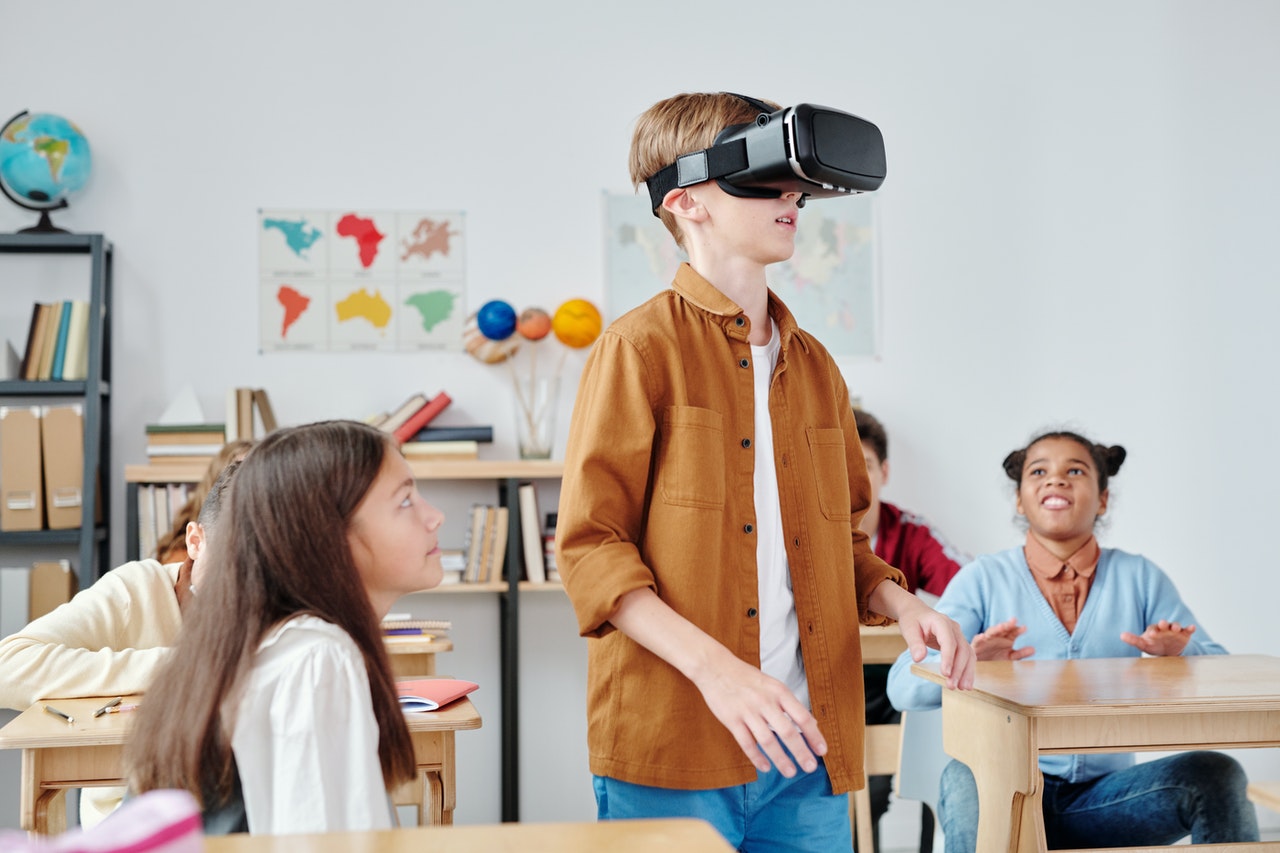
Universell utforming av XR-teknologi i grunnskoler
- Digital inkludering
- Universell utforming (UU)
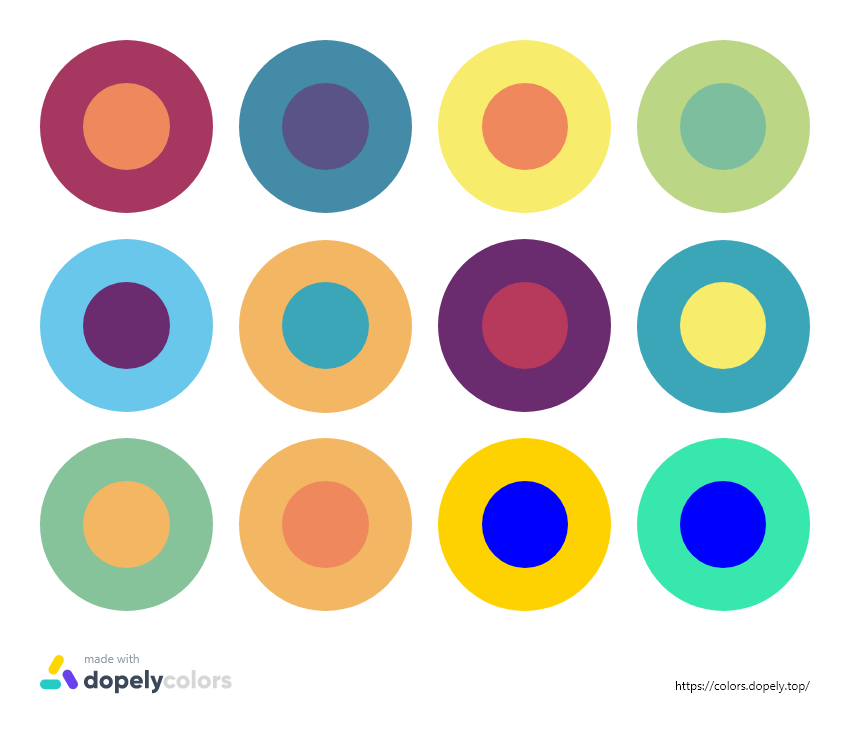
Tilgjengelige kontraster
- Digital inkludering
- Universell utforming (UU)
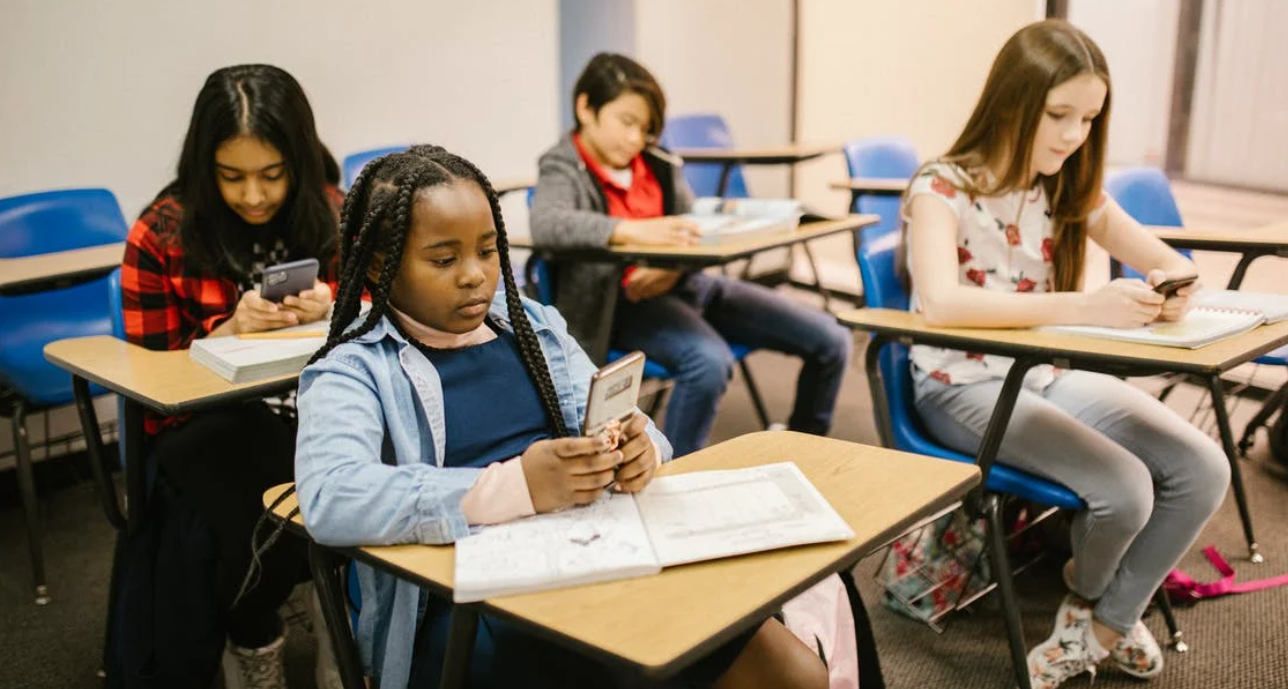
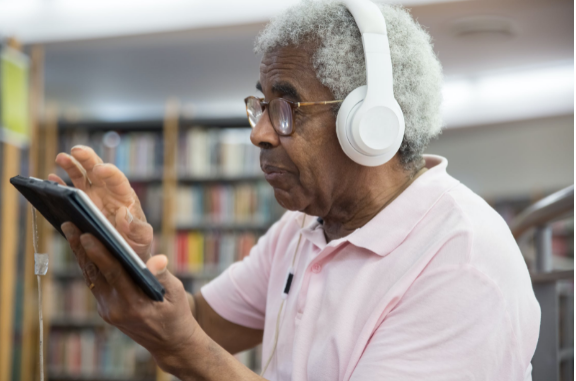
Framtidens skole: Inkluderende bruk av eXtended Reality
- Digital inkludering
- Universell utforming (UU)
IT-støtte for synshemmede eldre
- Digital inkludering
- Universell utforming (UU)
- Læringsteknologi, e-læring og lettlest informasjon
Forum for universell utforming av XR-teknologi

- Digital inkludering
Tilgjengelige informasjonskapsler

- Digital inkludering
- Universell utforming (UU)
En ressursbank for simulering av funksjonsnedsettelser

- Digital inkludering
Sjekkliste for universelt utformede cookie-bannere
- Digital inkludering
Dataspill uten barrierer (Curb Cut)
Publikasjoner
- 29 publikasjoner funnet
Halbach, Till og Simon-Liedtke, Joschua Thomas. (2026).
Empati-workshop. Norsk Regnesentral
NVA
Faglig foredrag
Tjøstheim, Ingvar; Simon-Liedtke, Joschua Thomas og Rognebakke, Hanne. (2025).
Forskningsbasert videreutvikling av barometer for synslikestilling (Synsbarometeret).
Vis sammendrag
Sammendrag
Respons Analyse gjennomførte undersøkelsen «Barometer for synslikestiling» for Norges Blindeforbund i 2023. Resultatene fra undersøkelsen er beskrevet i rapporten “Norges Blindeforbund: Likestillingsbarometeret 2023.” Forskningsprosjektet i 2025 bygger på dette arbeidet. Denne rapporten presenterer resultatene fra forskningsprosjektet om videreutvikling av barometer for synslikestilling, i det følgende kalt Synsbarometeret. Forskningsprosjektets mål har vært å undersøke hvordan styrke kvaliteten og representativiteten til Synsbarometeret, slik at det kan brukes som en pålitelig kilde til informasjon for myndigheter og fagmiljøer. Arbeidet har omfattet en gjennomgang av det tidligere spørreskjemaet og forslag til endringer for den nye telefon-undersøkelsen som ble gjennomført våren 2025. I tillegg ble det testet en SMS-undersøkelse for å nå yngre aldersgrupper, en aldersgruppe som har lav «respons rate» (deltakelsesprosent) på telefonunderundersøkelser. I forsknings-prosjektet har vi også vurdert bruk av registerdata til vekting, i rekruttering til undersøkelsen, til å redusere antall spørsmål i undersøkelsen, og for å gjøre undersøkelsen mer sammenlignbar med nasjonale levekårsundersøkelser. Det langsiktige målet er et Synsbarometer med høy metodisk kvalitet, som kombinerer innsamlet informasjon fra synshemmede med relevante registerdata, samtidig som det tar hensyn til utfordringer knyttet til representativitet og skjevheter i utvalget. Vår anbefaling for Synsbarometeret 2027 er å søke SSB om å få bruke registerdata. Formålet er å bruke registerdata til uttrekket til undersøkelsen, og til analyser og postvekting etter at undersøkelsen er gjennomført.
Simon-Liedtke, Joschua Thomas; Halbach, Till; Sara, Kjellstrand,; Malin, Hammarberg, og Susanna, Laurin,. (2025).
Recommendations and Checklists for Developing More Accessible and Comprehensive Browser Cookie Consent Banners.
Vis sammendrag
We present recommendations and checklists for enhancing the accessibility of browser cookie banners, based on user testing and survey feedback. The study identifies several key challenges, such as lack of clarity, information overload, and manipulative design. We propose solutions, such as standardized language use, simpler interfaces, and preset browser choices to improve both technical and cognitive accessibility. While the study focuses particularly on the needs of people with disabilities, it effectively aims to enable all users to make informed decisions about their privacy online.
Tjøstheim, Ingvar og Simon-Liedtke, Joschua Thomas. (2025).
Experiencing Digital Travel vs. Substituting Physical Travel with Digital Travel-on Intention to Use Digital Travel Applications in the Future.
Vis sammendrag
Vacations are essential for many people, offering a break from daily routines. As technology integrates into all aspects of society, including travel, questions about the future of digital travel arise. Digital travel is an emerging phenomenon, with limited observations or interviews of digital travelers at vir-tual destinations. This paper aims to predict travelers’ intentions to engage in digital travel in the future, addresses a gap in the literature on digital tourism from travelers’ perspectives. To enhance ecological validity, a digital presentation of Mexico from the game Forza Horizon 5 was used, and 586 travelers from a national population were recruited. The survey included questions on digital pre-sentations of museums, attractions, and guided tours, followed by questions on the level of experiences in a digital museum, digital attractions, and a digital guided tour. Binary logistic regression was used to predict future interest in digital travel applications. The significant predictors were the level of education of the partici-pants, their response to digital guided tours, and vicarious sightseeing in Mexico. The study discusses the potential of digital travel in future vacations, suggesting that virtual experiences can complement, and sometimes even substitute, physical travel. However, digital travel appears, according to the findings, to appeal to only a small segment of travelers.
Simon-Liedtke, Joschua Thomas; Halbach, Till; Kjellstrand, Sara; Hammarberg, Malin og Laurin, Susanna. (2025).
Exploring the Technical and Cognitive Accessibility of Cookie Consent Banners for People with Varying Abilities.
Vis sammendrag
Cookie consent banners, essential for compliance with regulations like GDPR, often present significant accessibility barriers for users with varying abilities. This chapter explores the technical and cognitive challenges associated with these banners, drawing on a thorough literature review and expert evaluations of prominent Norwegian websites. The study identifies key issues such as incorrect semantic coding, inadequate color contrast, and poor keyboard navigation, which hinder the accessibility of cookie banners. Additionally, it highlights the lack of explanatory support and error prevention mechanisms, which are crucial for users to make informed decisions about their cookie preferences. The findings reveal that while many banners prioritize text structuring, they often fail to provide the necessary explanations and support for users to understand and manage their cookie settings effectively. This chapter offers a detailed analysis of these challenges and suggests areas for improvement, paving the way for more inclusive and user-friendly cookie consent banners. By addressing these critical issues, the study aims to enhance the overall user experience and ensure that cookie consent banners are accessible to all users, regardless of their abilities.
Simon-Liedtke, Joschua Thomas; Halbach, Till; Kjellstrand, Sara; Hammarberg, Malin og Laurin, Susanna. (2025).
Tilgjengelige informasjonskapsler.
Vis sammendrag
Prosjektet «Tilgjengelige informasjonskapsler» undersøker universell utforming av cookie-bannere og brukernes oppfatning av disse, med fokus på personer med funksjonsnedsettelser. Vi har gjennomført en litteraturstudie, tekniske og kognitive ekspertevalueringer, brukertester og en spørreundersøkelse for å samle inn data og innsikt. Ekspertevalueringen identifiserte fire hovedfeilkategorier: tilgjengelighetsbarrierer på grunn av feil semantisk koding, barrierer relatert til utilgjengelig fargebruk og kontrast, barrierer relatert til utilgjengelig tekst og skjermtilpasning, og barrierer relatert til utilgjengelig tastaturnavigasjon. Brukerne oppfatter ofte cookie-bannere som et hinder, spesielt for brukere med hjelpemidler, og opplever frustrasjon og forvirring over kompleksiteten. Spørreundersøkelsen viste at brukerne ønsker enklere og mer standardiserte løsninger. Til slutt gir rapporten anbefalinger for tekniske og designmessige forbedringer for å sikre at alle brukere kan gi informert samtykke på en trygg og effektiv måte. Anbefalingene inkluderer standardisering av valgmuligheter, forklaringer og språkbruk, enkel, tydelig og oversiktlig grensesnitt, samt kortfattet tekst.
Simon-Liedtke, Joschua Thomas; Halbach, Till og Fuglerud, Kristin Skeide. (2025).
Exploring Stakeholder Perspectives on Measuring the Impact and Costs of Universal Design of Workplace ICT and the Consequences of Neglecting It.
Vis sammendrag
This paper presents the findings of a focus group workshop involving a diverse group of stakeholders from private and public sectors, civil societies, and academia discussing methods to measure the costs and effects of implementing Universal Design (UD) in workplace ICT. Two primary themes emerged: organizational and business-centric measurements, and societal measurements with an emphasis on people with impairments. These methods include a case-specific evaluation approach, a competence-and-awareness approach, and a broader societal approach. Based on the findings, we suggest extending strategies for Cost-Benefit Analyses (CBA) of UD in workplace ICT by introducing a practical cost-benefit workflow, promoting enhanced UD awareness, and integrating UD methods into routine practices.
Halbach, Till; Simon-Liedtke, Joschua Thomas; Brynn, Rudolph; Olsen, Terje André og Moe, Marius. (2025).
The Universal Design of ICT Maturity Model (UDMM).
Vis sammendrag
This work describes the development of a novel maturity model for assessing the quality of an organization’s work with universal design of ICT, as well as the model itself. For the proper theoretical foundation, we have reviewed related maturity models and cooperated with organizational representatives and domain experts. To ensure a sufficient empirical foundation, the model will be subject to testing and validation in multiple case studies. For that purpose, the work details a proper validation framework. The holistic development approach resulted in 49 indicators grouped into the six areas: outcomes, assets, processes, competency, culture, and management. Maturity itself has five levels: non-existent, informal, practiced, managed, and optimized. An example implementation as tabular sheets is available.
Simon-Liedtke, Joschua Thomas; Fuglerud, Kristin Skeide; Skråmestø, Eva Elida Singsaas og Leister, Wolfgang. (2024).
Mastering Gesture-Based Screen Readers on Mobile Devices - Exploring Teaching and Practice Strategies.
Vis sammendrag
Gesture-based screen readers like VoiceOver or TalkBack provide visually impaired users with a means to interact with digital content. However, there is a significant lack of both strategies and resources for teaching the use of these screen readers, and standardized teaching guidelines are notably absent.
Furthermore, there is no free, universally designed, and accessible app for practicing gestures in mobile screen readers. This study aims to identify best practice strategies for teaching and practicing the use of gesture-based screen readers among visually impaired users, based on observations from an IT course directed at visually impaired individuals. Moreover, we present common challenges related to usability, attitudes, emotions, technical aspects, and user guidance and education, as well as key traits and facilitators for learning gesture-based screen readers. Lastly, we assess the feasibility of an app to practice gestures and propose a framework for a gesture practice app to enhance user accuracy and patience.
Fuglerud, Kristin Skeide; Halbach, Till; Schulz, Trenton; Simon-Liedtke, Joschua Thomas og Torrado, Juan Carlos. (2024).
Forskning innen digital inkludering: Erfaringer og anbefalinger for bruk av metoder, verktøy og praktisk tilrettelegging — 2025-utgave: Håndtering av erkjentlighetsgaver, teksting og transkribering av multimedia, verktøy for dataanalyse, personvern og taushetserklæring.
NVA
Rapport
Simon-Liedtke, Joschua Thomas; Fuglerud, Kristin Skeide og Skråmestø, Eva Elida. (2024).
Empowering the Visually Impaired: Advancing Digital Skills in Mobile ICT as Motivator and Enabler.
Vis sammendrag
Mobile ICT, such as smartphones and tablets, has become integral for everyday tasks like finance, communication, and entertainment. While these technologies offer significant opportunities for integration and combating loneliness, visually impaired individuals still face challenges. These include practical barriers due to poor universal design, motivational hurdles, and inadequate lifelong education. In this paper, we aim to identify both the motivational and educational facilitators, as well as the technical and societal inhibitors, to digital skill development in mobile ICT among visually impaired individuals. Our approach involved participating as silent observers in an IT course for visually impaired users. Our study underscores that visually impaired individuals value mobile ICT for enhancing their daily lives. We identify opportunities, including key motivations to learn about ICT, and compile a list of useful apps and devices for visually impaired people. Simultaneously, we identify challenges related to technical and universal design, competence and societal issues, motivation, and attitudes, as well as security, privacy, and fraud concerns.
Halbach, Till; Fuglerud, Kristin Skeide og Simon-Liedtke, Joschua Thomas. (2024).
Towards a Model for Assessing the Maturity of Organizations’ Work on Universally Designed Digital Solutions.
Vis sammendrag
In this work, we propose a novel maturity model that suits the peculiarities of universal design of IT and ICT. The model is simply abbreviated as UDMM. It is domain-agnostic, targets intra-organizational application, and is free to use. Its design is influenced by maturity models in the related areas digital accessibility, usability, user experience, user-centered design, co-design and participatory design, as well as design-thinking. Besides a literature review, also interviews with stakeholders have been employed to gather insight for the model synthesis, and to ensure the model’s proper theoretical foundation. The UDMM is currently undergoing further improvement iterations and will be tested and validated in practice in the future.
Vidal, Juan Carlos Torrado; Fuglerud, Kristin Skeide; Simon-Liedtke, Joschua Thomas; Haugan, Anne-Bjørg; Dale, Marianne; Wiborg, Berit Lilly og Andersen, Rita. (2024).
Se meg - hør meg.
Vis sammendrag
Interesseorganisasjoner som jobber med tilrettelegging for personer med funksjonsnedsettelser, får mange tilbakemeldinger om negative opplevelser med reiselivet. Det er dessuten gjort lite forskning på dette temaet, og det gjør at det er liten kunnskap om hva som kan gjøres for at disse opplevelsene blir bedre. I prosjektet «Se meg – hør meg» har vi derfor kartlagt disse opplevelsene hos personer med funksjonsnedsettelser. Vi har undersøkt holdninger hos ansatte i reiselivsnæringen når de møter gjester med funksjonsnedsettelser. Målet er å samle kunnskap om situasjonen i reiselivet og gjester med funksjonsnedsettelser, med tanke på å jobbe videre med et opplæringskurs for ansatte i reiselivsnæringen. Metoden var spørreskjema på nett. Vi opprettet et for hver målgruppe og testet det i flere runder – først med partnerne i prosjektet i digitale møter, så intern gjennomgang hos partnernes organisasjoner og bedriftsklynge, og til slutt en workshop med representanter fra interesseorganisasjoner og reiselivet. Alt materialet som er utviklet i forbindelse med gjennomføring av nettskjemaene og workshop, som invitasjon, program, workshopguide og selve skjemaene er lagt ved rapporten som vedlegg. Forskerne har systematisert, analysert og dokumentert kunnskapen og erfaringene fra prosjektet. Vi har dessuten foreslått videre arbeid. Denne rapporten dokumenterer dette arbeidet.
Halbach, Till; Fuglerud, Kristin Skeide og Simon-Liedtke, Joschua Thomas. (2024).
Towards a Model for Assessing the Maturity of Organizations’ Work on Universally Designed Digital Solutions. Norwegian Directorate for Children, Youth, and Family Affairs
NVA
Vitenskapelig foredrag
Fuglerud, Kristin Skeide; Simon-Liedtke, Joschua Thomas; Haugan, Anne Bjørg; Kaasa, Anette Schia; Wiborg, Berit Lilly og Andersen, Rita. (2023).
Tilrettelegging av kundereisen for alle i reiselivet: Forprosjektrapport.
Vis sammendrag
Selv om det er økende oppmerksomhet om mulighetene som ligger i et mer inkluderende reiseliv, er det gjort svært lite forskning på metodikk for å inkludere personer med funksjonsnedsettelser i utviklingen av et inkluderende reiselivstilbud. Samskaping handler om å involvere kundene og andre interessenter i verdi-skapnings¬prosessen. Ved å involvere kunder med nedsatt funksjonsevne kan bedriftene tilegne seg dybdekunnskap om deres ønsker og behov, mens kunden kan få mer kunnskap om bedriftenes muligheter og ressurser. Denne kunnskapen kan benyttes i utviklingen av bedre kundeopplevelser, noe som igjen kan bidra til økt verdi for alle parter. Noe av bakgrunnen for samskaping som tilnærming er erkjennelsen av at innovative ideer ofte oppstår i skjæringsfeltet mellom ulike sektorer, miljøer og bransjer. Personas og kundereiser er metoder som er godt egnet for å øke kompetanse og kunnskap om ulike målgruppers utfordringer, behov og hvordan best tilrettelegge. Dette er også metoder som kan være egnet for samskaping mellom ulike sektorer og miljøer. På bakgrunn av relatert forskning, har forprosjektet foreslått, planlagt og prøvd ut en inkluderende personas og kundereisemetodikk. Vi har deretter samlet inn synspunkter og erfaringer fra deltakerne om hvordan metodikken fungerte. Alt materialet som er utviklet i forbindelse med gjennomføring av en inkluderende personas og kundereiseworkshop, som invitasjon, program, workshopguide, og evalueringsskjemaer er lagt ved rapporten som vedlegg. Dette materialet kan brukes som et utgangspunkt for å gjøre det enklere for virksomheter som ønsker å gjennomføre lignende workshops på egenhånd. Forskerne har bidratt til å systematisere og dokumentere kunnskapen og erfaringene fra prosjektet. Til sist har vi pekt på behov for videre arbeid. Alt dette er dokumentert i denne forprosjektrapporten.
Fuglerud, Kristin Skeide; Halbach, Till; Simon-Liedtke, Joschua Thomas; Kjæret, Kristin og Skråmestø, Eva Elida. (2023).
Motvirkning av ensomhet gjennom inkludering i informasjonssamfunnet: iStøtet sluttrapport.
Vis sammendrag
Eldre personer med nedsatt syn opplever mer ensomhet enn andre og er mindre digitale. Det å være en del av informasjonssamfunnet gjennom å ha tilgang til og å kunne bruke digitale verktøy har betydning for den enkeltes mulighet for deltakelse i samfunnet. Det gir tilgang til viktig informasjon og muligheter for å benytte digitale tjenester. Det kan gi muligheter til å vedlikeholde eller styrke sosialt nettverk. Man blir bedre rustet til å ta i bruk helse- og velferdsteknologi. Digital kompetanse er viktig for å kunne få tilgang til oppdatert helseinformasjon, noe vi har sett er viktig i en pandemisituasjon, men som også er en forutsetning for å opparbeide helsekompetanse. Tilgang til informasjon er en forutsetning for ytringsfriheten og for å kunne ta del i den offentlige og politisk samtalen på lik linje med andre. Det å ha tilgang til og å kunne bruke smartteknologi åpner for egenmestring og mulighet for å leve frie og selvstendige liv. iStøtet-prosjektene fra 2019-2022 har pekt på at opplæring i grunnleggende digitale ferdigheter er nødvendig for å forhindre digitalt utenforskap. Et viktig tiltak for å styrke inkludering av eldre personer med nedsatt syn vil derfor være å sikre tilgang til undervisning i grunnleggende digitale ferdigheter. Undervisningen bør starte som en-til-en undervisning og være gratis. Det er viktig med oppfølging i etterkant av opplæring, både for å friske opp kunnskap og for å identifisere årsaker til digitale barrierer. Digitale barrierer kan oppstå på grunn av oppdateringer og mangelfull universell utforming. Prosjektet har avdekket en rekke barrierer som hindrer personer med nedsatt syn i lære seg ny teknologi, spesielt å kunne bruke dagens smartteknologiske løsninger. Videre har prosjektene synliggjort tiltak som kan ytterligere styrke opplæringen.
Fuglerud, Kristin Skeide; Halbach, Till; Schulz, Trenton og Simon-Liedtke, Joschua Thomas. (2023).
Forskning innen digital inkludering: Erfaringer og anbefalinger for bruk av metoder, verktøy og praktisk tilrettelegging 2023 utgave.
NVA
Rapport
Simon-Liedtke, Joschua Thomas og Halbach, Till. (2023).
The Multi-Color Contrast Checker (M3C).
Vis sammendrag
Accessible and readable contrast of text and graphical elements is a key requirement of the universal design of digital interfaces for people with and without disabilities. Many manual and automatic tools have been developed to help designers and developers measure color contrasts, but these tools are limited when it comes to assessing the contrast of three or more colors, the contrast of non-textual elements, as introduced by the Web Content Accessibility Guidelines (WCAG) 2.1, and contrasts for people with visual deficiencies, including Color Vision Deficiencies (CVDs). This paper proposes an open-source, worldwide accessible, and universally designed web-based tool called Multi-Color Contrast Checker (M3C). Our tool provides three novel main functions: (1) A multi-color contrast checker that assesses two or more colors according to their compliance with WCAG 2.1. (2) A color contrast example area that visualizes the effects of the chosen colors on concrete visual example elements typically found in digital interfaces. (3) A CVD simulator for three common types of CVDs. The tool has been assessed for correctness, accessibility, and user experience in both expert and user evaluations, which have confirmed the tool’s usefulness in increasing awareness and knowledge of good color contrasts.
Simon-Liedtke, Joschua Thomas og Halbach, Till. (2023).
Universally Designed Augmented Reality (AR) for the School of the Future.
Vis sammendrag
Augmented Reality (AR), together with other technologies collectively referred to as eXtended Reality (XR), can offer opportunities in education for experiential learning and the visualization of abstract concepts. However, there is a lack of universal design and significant challenges for students with disabilities. This paper presents a case study of AR technology used in Norwegian schools to identify inhibitors and facilitators for the inclusive use of AR in education. We let students with and without visual and cognitive disabilities try out an AR app for books. The AR app would superimpose virtual 3D models and videos on the books similar to a pop-up book. Interviews with educators and a focus group session with developers identified opportunities, benefits, user expectations, best practices, challenges, common pitfalls, and recommendations and concrete measures to address said challenges and pitfalls. Our study emphasizes the lack of support for assistive technologies, the over-emphasis on visual stimuli that can be hindering for students with visual disabilities, the significant demand of AR on cognitive capabilities, which might be challenging for students with cognitive disabilities, and the lack of awareness of and access to guidelines and best practices among developers. We suggest enabling compatibility with assistive technologies, increased multi-modality that engages hearing and touch, and increased usage of visual explanations and elements like symbols and icons. In addition, we suggest collecting, organizing, and promoting existing and new guidelines for the universal design of both XR and AR. We argue that many of our findings for AR are relevant to other technologies gathered under the umbrella of XR, including Mixed Reality (MR) and Virtual Reality (VR).
Fuglerud, Kristin Skeide; Halbach, Till; Schulz, Trenton og Simon-Liedtke, Joschua Thomas. (2022).
Tilrettelegging av forskningsmetoder for brukerinvolvering: Håndtering av erkjentlighetsgaver, teksting og transkribering av multimedia, verktøy for dataanalyse, personvern og taushetserklæring.
NVA
Rapport
Vis sammendrag
Dette dokumentet beskriver forskningsmetodene Norsk Regnesentral bruker når brukere er involvert i forskningen. Metodene som er dokumentert er blant annet:
- Hvordan transkribere samtaler (automatisk og manuelt)
- Erkjentlighetsgaver til deltakere i prosjektaktiviteter og testbrukere
- Verktøy for tematiske analyser og andre oppgaver
- Taushetserklæring for involvering av sommerstudenter eller andre midlertidige prosjektdeltagere
Dokumentet er ment som et øyeblikksbilde og bør oppdateres over tid.
Simon-Liedtke, Joschua Thomas; Fuglerud, Kristin Skeide og Kjæret, Kristin. (2022).
iStøtet – IT-støtte for synshemmede eldre: Framdriftsrapport for 2021.
NVA
Rapport
Simon-Liedtke, Joschua Thomas og Baraas, Rigmor. (2022).
The Need for Universal Design of eXtended Reality (XR) Technology in Primary and Secondary Education.
Vis sammendrag
eXtended Reality (XR) provides new opportunities for immersive and engaging ways of learning in primary and secondary education. Educators and educational decision-makers, however, lack knowledge about the opportunities of this emerging technology. At the same time, XR technology lacks a fundamental universal design framework targeted at improving accessibility and usability for all, specifically for pupils with disabilities. In the following paper, we present the results from two selective and weighed literature reviews identifying: (1) opportunities, positive outcomes and challenges of using XR technology in primary and secondary education; (2) general advantages and limitations in terms of universal design, including barriers and possible solutions of XR technology for pupils with disabilities. The results show that utilization of XR technology in primary and secondary education is versatile, may positively influence learning outcomes in pupils, contributes to increase motivation, engagement, and interest. The challenges in implementing XR technology were mainly related to economic cost, health-related limitations, pedagogy, editorial limitations, and lack of universal design. Pupils with disabilities and varying degrees of abilities face challenges because there is lack of multimodality, practical issues when setting up or using devices, lack of interoperability and compatibility with assistive technology, financial costs, health-related issues, overreliance on gamification, and ethical considerations. In addition, most devices are designed for adults and not recommended to be used by children younger than 13 years of age. Future research needs to address development of guidelines including best-practice examples for increased accessibility and usability of XR technology, as well as advance the standardization and solidification of said guidelines into standards, regulations, and laws.
Simon-Liedtke, Joschua Thomas og Baraas, Rigmor C.. (2022).
Towards eXtended Universal Design.
Vis sammendrag
Even though eXtended Reality (XR) technology has been trialed in various projects in primary and secondary education, its lack of universal design hinders further adoption. In this paper, we present the results from focus group interviews with representatives from Norway’s private and public sectors, in which we investigated their practical experiences and opinions about the accessibility and usability of XR technology in schools. We summarize practical opportunities and challenges related to the need for universal design of XR technology, both in general terms and in education specifically. Moreover, we compare the results to a previously conducted selective and weighted literature review. Five major future research needs to improve the universal design of XR technology emerge: The need to (1) increase co-creation, (2) identify and understand barriers, (3) develop solutions for said barriers, (4) advance standardization, and (5) develop evaluation methods and tools.
Simon-Liedtke, Joschua Thomas og Baraas, Rigmor C.. (2022).
The Future of eXtended Reality in Primary and Secondary Education.
Vis sammendrag
eXtended Reality (XR) technology has to some degree been used in primary and secondary education. However, XR technology has not gained widespread use in public schools due to challenges related to pedagogical content, expertise, digital infrastructure, funding, and a lack of universal design. In this paper, we present the results from focus group interviews with representative stakeholders from the private and public sectors, in which we investigated their practical experiences and opinions about XR technology in Norwegian schools. We summarize the practical opportunities and challenges of using XR technology in primary and secondary education. We compare the results with a previously conducted selective and weighted literature review and extract four major future research needs to increase the practical and systemic universal design of XR technology in primary and secondary education for all.
Halbach, Till og Simon-Liedtke, Joschua Thomas. (2022).
The Simulated User Impairment Testing (SUIT) Protocol and Toolbox for Digital Artifacts.
Vis sammendrag
User testing involving people with varying abilities and impairments are two of the key ingredients of universal design that can help to increase the accessibility and usability of an ICT artifact. However, recruiting adequate participants during the design and development process can be difficult, time-consuming and resource intensive. We suggest mitigating these challenges by employing user simulation as additional quality assessment measure throughout the design and development process of a digital ICT artifact.
In the present paper, we present a protocol and a toolbox for Simulated User Impairment Testing (SUIT) that enables non-impaired designers and developers to simulate the perception of people with some of the most common impairments related to cognitive, visual, auditory, vocal, mobility-related and motor-related functioning. We compile a list of possible tools and methods that are readily available or easily obtainable in a production and design setting. Moreover, we complement this list with relevant user examples for each category, as well as examples of the most common barriers. Finally, we point out how the Simulated User Impairment Testing (SUIT) toolbox can be used to add an additional layer of quality assessment during the design and development process of a digital artifact and argue that it cannot replace the user testing part.
Kristoffersen, Thor O.; Simon-Liedtke, Joschua Thomas og Leister, Wolfgang. (2021).
Research Challenges in SSI in Secured Digital Infrastructures.
NVA
Rapport
Vis sammendrag
The report explores the current state-of-the-art in Self-Sovereign Identity (SSI) and addresses the remaining important research challenges, both with respect to governance and technological aspects of the four layers of the SSI stack. Further, the report outlines the use of SSI in onboarding applications and identity proofing in connection with video streaming.
Simon-Liedtke, Joschua Thomas; Bong, Way Kiat; Schulz, Trenton Wade og Fuglerud, Kristin Skeide. (2021).
Remote Evaluation in Universal Design Using Video Conferencing Systems During the COVID-19 Pandemic.
Vis sammendrag
Usability and accessibility evaluations with diverse users are an essential part of an iterative universal design process for digital solutions. The COVID-19 pandemic has made it difficult to run traditional local evaluations due to social distancing restrictions to reduce infections. Remote synchronous and asynchronous evaluation methods may be a solution if it can be used by various user groups, including people with impairments. Incorporating video conferencing systems into traditional remote evaluations can be a valuable supplement to—or, given the current situation, alternative to—traditional usability and accessibility evaluations. We present a protocol for remote formative usability evaluations designed with accessibility in mind. The protocol explains how to prepare for an evaluation and its technical setup, how to conduct synchronous evaluations using video conferencing systems, and how to debrief and analyze the collected data. We tested this protocol in a pilot study for an ongoing project where we ran both synchronous and asynchronous remote evaluations. In our pilot, the synchronous evaluation using video conferencing systems provided opportunities for richer qualitative data than the asynchronous evaluation as we ran it. The findings from the pilot study indicate that the protocol is feasible and can be used when having participants with diverse abilities or impairments. We also provide suggestions for others that wish to adapt the protocol.
Halbach, Till og Simon-Liedtke, Joschua Thomas. (2021).
Categories of User Impairment.
Vis sammendrag
This work presents a novel classification scheme for human impairments and aims at being as small as possible while
simultaneously representing the vast diversity of users with impairments with sufficient accuracy. The scheme is based
on the International Classification of Functioning, Disability, and Health of the WHO and consists of in total 21
impairment categories which are broadly grouped into the four main areas cognition, senses, voice, and movement. The
classification scheme is of generic nature and can thus be applied to the design of human artifacts and environments in
general, as it considers the plain interaction of the human body with its surroundings in multiple modalities. Simulation
of user impairment is a primary application area.
Leister, Wolfgang; Schulz, Trenton Wade; Hannay, Jo Erskine; Simon-Liedtke, Joschua Thomas; Tjøstheim, Ingvar; Fuglerud, Kristin Skeide; Halbach, Till; Boudko, Svetlana og Stolpe, Audun. (2020).
Aspects of Digitalisation.
NVA
Rapport
Vis sammendrag
This document describes the work performed in the project GB-DIGITALISERING 2020 Covid19, which is funded by the Research Council of Norway. The project identified technological barriers and obstacles for digitalisation in today’s society and provided ideas on how to mitigate these. The use of AR/VR/MR technologies, social robotics, and wide use of data from sensors and devices in the IoT in diverse application areas are important technologies to make migration from analogue to digital solutions possible. The project results will be used to support the industry and the public sector to mitigate barriers related to properties of usability, universal design, privacy, security, personalization of services, user engagement, and others.